
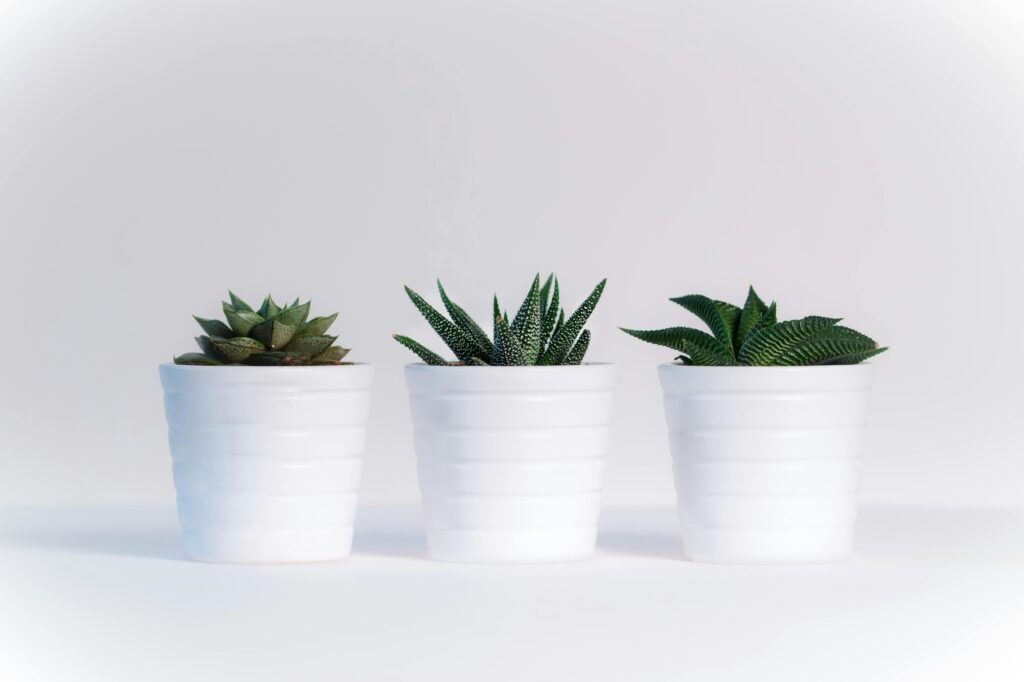
Stylish Indoor Plants for Every Corner: A Real Apartment Guide
I didn’t set out to become a person with sixteen houseplants. It happened gradually, the way most plant collections do — one pothos on a birthday, one “just looking” trip to a garden center that ended with a snake plant in my cart, one too-good-to-pass-up clearance fern. Somewhere around plant number ten, I realized I’d stopped just owning plants and started actually styling them, and that shift changed how my whole apartment felt.
If you’re at the point where you’ve got a few plants scattered around and you’re wondering how to make them look like an intentional collection instead of a random accumulation, this guide is for you. It covers how to read your apartment’s actual light, which plants belong in which corners, how care needs shift through the year in a heated, air-conditioned North American apartment, and the small styling choices that make greenery look designed rather than just present.
For indoor plants for apartments that go beyond what’s covered here, our full plant library digs deeper into individual species and their specific quirks.
Start By Reading Your Light, Not Your Wishlist
Before you buy a single plant, walk through your apartment at three different times of day — morning, midday, early evening — and actually watch how light moves through each room. This sounds excessive. It isn’t. It’s the single biggest predictor of whether a plant will thrive or just barely survive in your space.
North-facing apartments generally get soft, indirect light all day, with almost no direct sun at any point. South- and west-facing units tend to get several hours of brighter, more direct exposure, especially in the afternoon. Neither is “better” — they just call for different plants, and the biggest styling mistake most people make is buying a plant they love the look of before checking whether their apartment can actually support it.
A quick way to check: if you can read comfortably in a spot without a lamp on during the day, it’s bright indirect light. If you’d normally have a lamp on, it’s low light. That’s really all the technical assessment you need.
Styling Bright Corners and Open Spaces
If you’ve got a corner near a window that gets several hours of good light, this is where statement plants belong — the tall, architectural ones that need a little more sun to actually thrive and look their best doing it.
Snake plants, rubber plants, and fiddle leaf figs are the classic picks here, and there’s a reason they show up in nearly every well-styled living room photo you’ve ever saved: their vertical shape adds real structure to a room, something most furniture and decor can’t do on its own. Positioned near a sofa, console table, or reading chair, a tall plant frames the furniture around it instead of competing with it for attention.
For planters, neutral tones do the most consistent styling work — matte ceramic, raw clay, or simple stoneware in white, warm gray, or terracotta. Save your more colorful or patterned planters for smaller accent plants; on a large statement piece, a busy planter competes with the plant itself instead of supporting it.
Seasonal note for bright corners: these plants are actively growing through spring and summer, so that’s when slightly more frequent watering actually helps rather than risks overdoing it. Come fall and winter, as daylight hours shrink, easing off watering matters more than people expect — root rot in the colder months is far more common than underwatering.
Bringing Life to Low-Light Corners
Not every corner of an apartment gets good light, and city living in particular tends to mean at least one hallway, interior bedroom wall, or shaded nook that natural light barely reaches. That doesn’t mean those spots have to stay bare.
Pothos, peace lilies, ZZ plants, and philodendrons are the reliable go-tos here — plants that genuinely tolerate low or indirect light rather than just technically surviving it for a few months before declining. They’re also, not coincidentally, some of the most forgiving plants for renters and busy professionals, since they tolerate a missed watering or two without much drama.
If this is the category you’re working with most, our Ultimate Low-Light Plant Guide for Apartment Dwellers goes much deeper into specific low-light species, watering schedules, and the exact plants that held up in a genuinely dim apartment, tested over months rather than guessed at.
Styling-wise, low-light plants work well on shelves, nightstands, or small stools rather than directly on the floor — elevating them even slightly keeps a dim corner from reading as an afterthought. One important winter-specific note for North American apartments: keep these plants away from drafty windows and heating vents. The temperature swings from forced-air heating are a more common cause of winter plant stress than the low light itself.
Using Plants as Functional Decor in Small Spaces
In a compact apartment, plants can genuinely do double duty as both decor and function, which matters more the smaller your square footage gets.
Hanging planters and wall-mounted holders free up floor and surface space entirely, using ceiling and wall height that would otherwise go completely unused. Trailing plants — pothos and heartleaf philodendron especially — soften hard lines and corners in a way that’s hard to replicate with any other kind of decor.
Room dividers, without the furniture. A tall plant placed between a living area and a dining nook in a studio or open-plan apartment can create a subtle visual boundary between the two zones without blocking light or airflow the way an actual room divider would. It’s one of the more underused small-space tricks I’ve come across, and one of the cheapest.
Choosing Plants Room by Room
Not every room in an apartment calls for the same plant, and matching the plant to the room’s actual conditions and use matters as much as matching it to the room’s light. If you’re shopping for indoor plants for apartments room by room, having the right basic tools on hand — a good watering can, a moisture meter, clean shears — makes this whole process noticeably easier.
Living room. This is where statement plants earn their keep — a tall snake plant or fiddle leaf fig near the brightest window, paired with one or two smaller trailing plants on a side table or shelf. Living rooms tend to have the most consistent light and the most visual real estate, so it’s the natural place to invest in your biggest, most architectural plant.
Bedroom. Lower-maintenance, lower-light plants make more sense here, since bedrooms in apartments often have smaller windows or face a less favorable direction. Pothos, ZZ plants, or a small peace lily on a nightstand or dresser add life without demanding much upkeep from a room where upkeep is genuinely the last thing on your mind at the end of the day.
Kitchen. Herbs deserve their own mention here — a small windowsill herb garden of basil, mint, or parsley does double duty as both greenery and something you’ll actually use. Just keep any plants back from stovetops and heat sources, where fluctuating temperature and grease in the air can stress leaves over time.
Bathroom. Surprisingly one of the best rooms for humidity-loving plants, provided there’s at least some natural light. Ferns and peace lilies in particular benefit from the higher ambient humidity a bathroom naturally provides, especially in apartments where the rest of the space runs dry from heating or air conditioning.
Home office or workspace. A single well-placed plant at eye level — on a shelf or narrow stand near your desk — does more for a workspace’s feel than most desk decor, and low-light varieties handle the more limited light many home offices get without complaint.
Matching Plants to Your Design Style
Plant styling isn’t one-size-fits-all, and the “right” plant for your apartment depends partly on the broader aesthetic you’re already working with.
Minimalist or Scandinavian interiors tend to pair best with structural plants in simple, matte planters — think one or two well-placed statement plants rather than a dense collection, letting negative space do some of the visual work.
Boho or eclectic spaces can support a denser, more layered plant collection — hanging planters, varied pot textures, and trailing vines all read as intentional rather than cluttered in a space that’s already embracing texture and pattern elsewhere.
Modern or industrial interiors often look best with plants in matte black, concrete, or raw clay planters, keeping the greenery as the softening element against otherwise hard, angular furniture and finishes.
None of these are strict rules — they’re starting points. The best-looking plant collections I’ve seen usually break at least one of these conventions somewhere, deliberately, rather than following all of them perfectly.
How Many Plants Is Too Many for a Small Apartment?
There’s no universal number, but there is a useful test: if you can no longer clean under, water, or actually see each individual plant without shifting several others out of the way, you’ve likely outgrown your current setup — not necessarily a sign to get rid of plants, but a sign it’s time to add shelving, stands, or hanging storage rather than more floor space you don’t have. Growing a collection vertically, rather than just accumulating more floor-level pots, is usually the difference between a jungle that reads as styled and one that reads as overwhelming.
Seasonal Indoor Plant Care in the US and Canada
Heating systems, air conditioning, and shifting daylight hours all affect indoor plants more than most people account for, especially compared to how plants would behave outdoors in the same climate. Here’s a rough seasonal breakdown for apartments across the US and Canada:
| Season | Light Conditions | Watering Needs | Care Focus |
|---|---|---|---|
| Spring | Increasing daylight | Moderate | New growth, repotting |
| Summer | Bright, longer days | Regular | Consistent watering |
| Fall | Decreasing daylight | Reduced | Preparing for dormancy |
| Winter | Low natural light | Minimal | Avoiding overwatering |
Winter is where most apartment-specific plant problems show up, largely because indoor heating dries out the air far more than most people realize. Grouping plants together or using a simple humidity tray can help maintain moisture levels during the driest months — a small adjustment that makes a noticeable difference for anything even slightly humidity-sensitive.
Choosing the Right Planters for a Cohesive Look
Planters do more styling work than people give them credit for. A collection of great plants in mismatched, competing planters can still read as cluttered, while a more modest plant collection in a cohesive set of planters often reads as considerably more intentional.
Neutral tones — white, beige, warm gray, muted earth colors — tend to work best across modern and Scandinavian-leaning interiors, which describes a large share of current North American apartment styling. Sticking to a similar planter style throughout your space (even if the exact pots vary a little) creates visual harmony, while varying plant height and leaf texture keeps the overall look from feeling repetitive or flat.
If you rent and move often, lightweight planters are worth prioritizing over heavier ceramic or stone options — a genuinely practical consideration that’s easy to forget while shopping, until moving day arrives.
Common Indoor Plant Mistakes to Avoid
Most indoor plant problems trace back to overwatering, not neglect — which surprises a lot of people, since the instinct when a plant looks unhappy is almost always to water it more.
Drainage matters more than watering frequency. A plant in a decorative pot with no drainage hole is especially vulnerable, since excess water has nowhere to go and simply sits at the root level. Letting soil dry out slightly between waterings, and making sure there’s somewhere for water to actually drain, prevents the majority of common plant problems before they start.
Vents and drafts are a bigger deal than people think. Placing a plant too close to a heating vent or air conditioner exposes it to sudden temperature swings that can cause stress and leaf drop, especially through winter. If you’ve got a plant that seems to be declining for no clear reason, its proximity to a vent is worth checking before you assume it’s a watering issue.
Building a Routine That Actually Sticks
The plant collections that last are rarely the ones with the most elaborate care routines — they’re the ones with routines simple enough to actually maintain. Choosing slower-growing, lower-maintenance plants reduces both the ongoing effort and the odds of losing a plant to a missed step in a complicated care schedule.
Using a decent organic potting mix and skipping harsh synthetic fertilizers supports plant health without adding complexity to your routine. None of this needs to be elaborate. The goal is a home that feels alive and a little calmer for the greenery in it — not a second job.
Frequently Asked Questions
What are the best indoor plants for apartments with limited light? Pothos, ZZ plants, peace lilies, and philodendrons are the most reliable choices for low-light apartment corners, since they tolerate indirect or low light and hold up well even with inconsistent watering.
How often should I water indoor plants in winter? Most indoor plants need noticeably less water in winter due to shorter daylight hours and slower growth — reducing watering frequency during this season is one of the most effective ways to prevent root rot.
Do indoor plants really improve air quality in small apartments? Indoor plants can contribute to a fresher, calmer indoor environment, though their measurable air-purifying effect in a typical apartment is modest — their bigger, more consistent benefit is the visual and psychological impact of greenery in a living space.
What’s the biggest mistake people make with indoor plants? Overwatering, usually caused by decorative pots without drainage holes — letting soil dry out slightly between waterings and ensuring proper drainage solves the majority of common indoor plant problems.
How do I style plants so they look intentional instead of scattered? Group plants by height and light needs rather than spreading them randomly, keep planters within a cohesive color or material palette, and elevate low-light plants on shelves or stands rather than placing everything directly on the floor.
Final Thought
Stylish indoor plants aren’t really about owning more of them. They’re about understanding your actual light, choosing plants suited to it, and styling what you have with a little intention instead of letting a collection just accumulate on whatever surface happens to be open. Start with one corner — bright or dim, whichever you’ve been ignoring — and build from there.
Disclaimer: This guide offers general indoor plant care guidance based on common conditions in US and Canadian apartments. Individual plant needs can vary by species, pot size, humidity, and specific home environment, so use this as a starting point rather than exact instructions for every plant you own — when in doubt, check the specific care needs of your plant’s exact variety.
Save this for later, and check out more indoor plants for apartments content on UrbanBloomSpace — we’re building this library one small space at a time.