
A Complete Indoor Plant Care Guide for Urban Homes in the US & Canada
Indoor plants are no longer just decorative accents; they have become an essential part of modern urban living. In cities across the United States and Canada, homeowners and renters are embracing indoor greenery to soften contemporary interiors, improve air quality, and create a calming atmosphere in compact spaces. With the right plant selection and thoughtful placement, even the smallest apartment can feel vibrant and welcoming.
This guide explores how to choose stylish indoor plants for every corner of your home, how to care for them throughout the seasons, and how to integrate them seamlessly into modern décor.
Understanding Light and Space in Urban Homes
Before choosing plants, it’s important to understand the natural light patterns in your home. Urban apartments often face challenges such as limited sunlight, shaded windows, or uneven light distribution due to surrounding buildings. North-facing apartments typically receive soft, indirect light, while south- and west-facing homes enjoy brighter exposure for several hours a day.
Rather than forcing plants into unsuitable conditions, selecting varieties that naturally thrive in your available light ensures long-term success and reduces maintenance. Plants chosen for the right environment not only grow better but also maintain a polished, healthy appearance that complements modern interiors.
Styling Plants for Bright Corners and Open Spaces
Bright corners near windows are ideal for statement plants that add structure and visual height to a room. Tall plants such as snake plants, rubber plants, and fiddle leaf figs thrive in bright, indirect light and create an architectural presence in living rooms and open-plan spaces.
In modern US and Canadian homes, these plants are often paired with neutral planters in ceramic, clay, or matte finishes to maintain a clean aesthetic. Positioning plants near sofas, console tables, or reading chairs allows greenery to frame furniture rather than compete with it.
During spring and summer, these plants experience active growth and benefit from slightly more frequent watering. In fall and winter, when daylight hours shorten, reducing watering helps prevent root rot and keeps plants healthy.
Bringing Life to Low-Light Corners
Not every corner receives abundant sunlight, especially in city apartments. Low-light areas such as hallways, bedrooms, and interior corners can still support greenery with the right plant choices. Plants like pothos, peace lilies, ZZ plants, and philodendrons adapt well to indirect or low light and maintain their visual appeal with minimal care.
These plants are particularly popular among renters and busy professionals because they require less attention and tolerate occasional missed watering. Styling low-light plants on shelves, nightstands, or small stools helps fill empty spaces without overwhelming the room.
In colder months, low-light plants should be kept away from drafty windows and heating vents, which are common in North American homes during winter.
Using Plants as Functional Decor in Small Spaces
In compact apartments, plants often serve both decorative and functional purposes. Hanging planters and wall-mounted plant holders free up floor space while adding vertical interest. Trailing plants such as pothos or heartleaf philodendrons soften sharp lines and bring warmth to minimalist interiors.
In studio apartments or small condos, plants can also be used to subtly define zones. A tall plant placed between a living and dining area creates separation without blocking light or airflow, making the space feel larger and more cohesive.
Seasonal Indoor Plant Care in the US & Canada
Seasonal changes significantly impact indoor plant care in North America. Heating systems, air conditioning, and fluctuating daylight all affect plant health. Adjusting care routines throughout the year ensures plants remain healthy and visually appealing.
Seasonal Indoor Plant Care Comparison
| Season | Light Conditions | Watering Needs | Care Focus |
|---|---|---|---|
| Spring | Increasing daylight | Moderate | New growth, repotting |
| Summer | Bright, longer days | Regular | Consistent watering |
| Fall | Decreasing daylight | Reduced | Prepare for dormancy |
| Winter | Low natural light | Minimal | Avoid overwatering |
During winter, indoor air tends to be dry due to heating systems common in US and Canadian homes. Using humidity trays or grouping plants together can help maintain adequate moisture levels.
Choosing the Right Planters for Modern Interiors
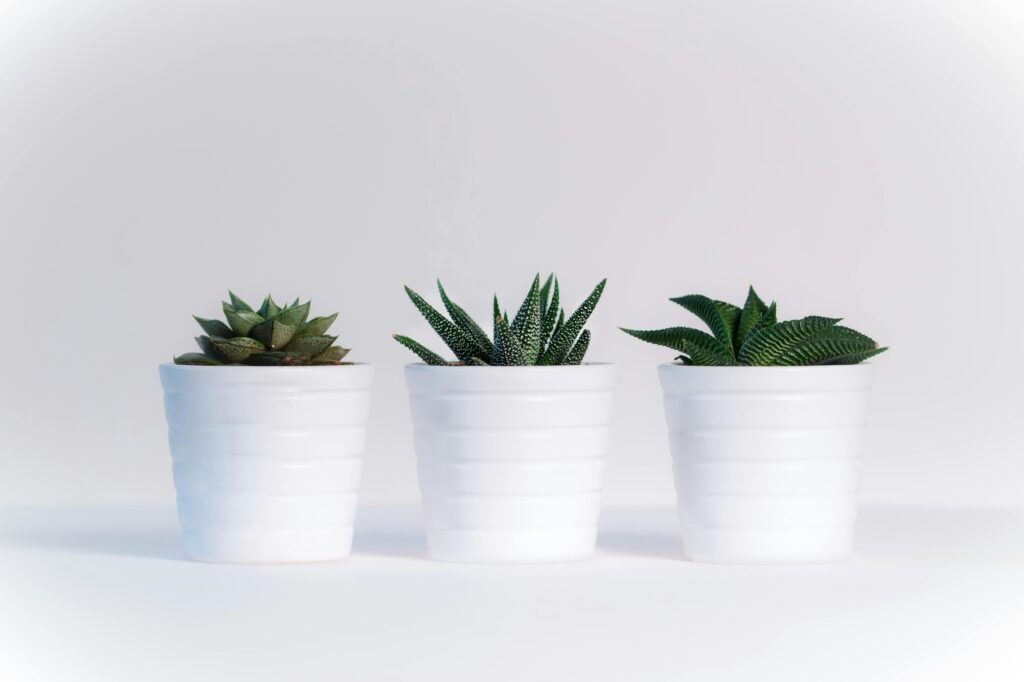
Planters play a crucial role in how plants integrate into your décor. Neutral tones such as white, beige, gray, and muted earth colors work well with modern and Scandinavian-inspired interiors popular across North America.
For a cohesive look, using similar planter styles throughout your home creates visual harmony, while varying plant heights and textures prevent the space from feeling repetitive. Lightweight planters are especially practical for renters who may need to move or rearrange their space frequently.
Common Indoor Plant Mistakes to Avoid
Many indoor plant issues stem from overwatering rather than neglect. Plants placed in decorative pots without drainage holes are particularly vulnerable. Ensuring proper drainage and allowing soil to dry slightly between waterings prevents most common problems.
Another frequent mistake is placing plants too close to heating vents or air conditioners. Sudden temperature changes can stress plants and cause leaf drop, especially during winter months.
Creating a Sustainable Plant Routine
Sustainable plant care aligns well with modern lifestyles. Choosing slow-growing, low-maintenance plants reduces waste and long-term costs. Using organic potting mixes and avoiding harsh chemical fertilizers supports both plant health and environmental responsibility.
By investing time in understanding your plants’ needs, you create a home environment that feels alive, balanced, and calming year-round.
Final Thoughts
Stylish indoor plants can transform every corner of an urban home when chosen and cared for thoughtfully. From bright living rooms to quiet bedroom corners, the right greenery enhances both aesthetics and well-being. For US and Canadian homeowners and renters, adapting plant care to seasonal changes ensures long-lasting beauty with minimal effort.
Indoor plants are more than décor—they are an essential element of modern urban living.