
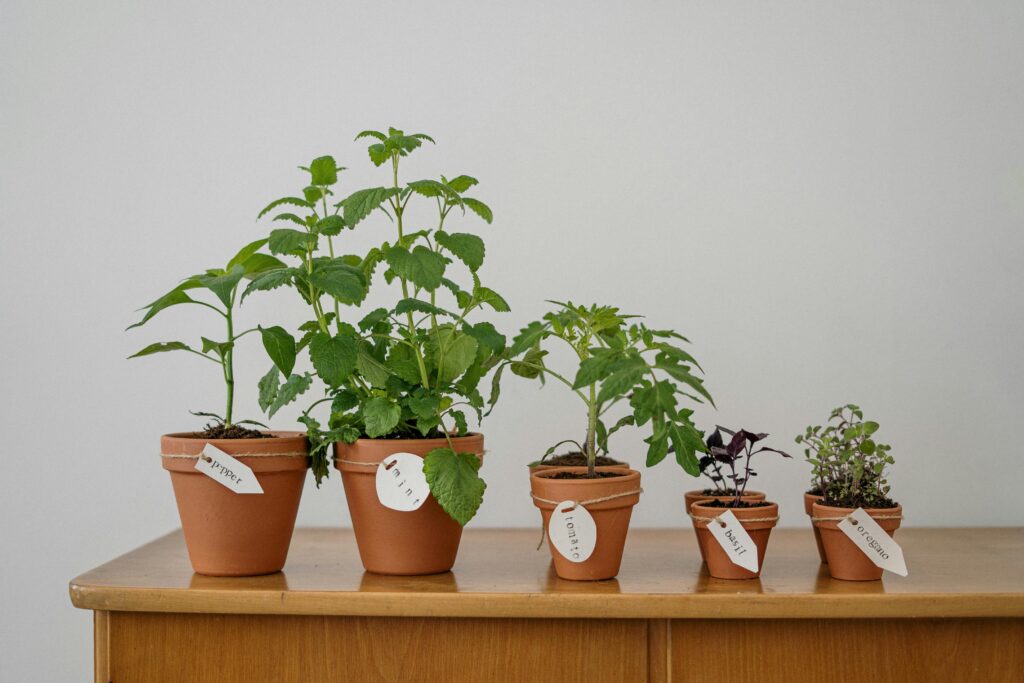
A Complete Indoor Herb Gardening Guide for Apartments, Kitchens & Small Spaces
Imagine stepping into your kitchen and snipping fresh basil for pasta night, mint for an iced tea, or cilantro for taco Tuesday—no grocery run required. Growing herbs at home connects you to freshness, flavor, and a slower, more mindful way of living.
Across the United States, more people are choosing indoor herb gardening as part of a healthier, cost-effective, and design-conscious lifestyle—especially in apartments, condos, and urban homes where outdoor space is limited.
Whether you live in a high-rise apartment, a rental with strict rules, or a small suburban home, an indoor herb garden offers big benefits in very little space.
Why Homeowners and Renters Love Growing Herbs Indoors
🌱 Fresh herbs anytime – better taste, better nutrition
🌿 Adds greenery – improves indoor atmosphere and mood
🏙 Apartment-friendly – perfect for windowsills, shelves, and balconies
💰 Cuts grocery costs – less food waste, more value
✨ Therapeutic & calming – gardening as self-care
This guide will show you exactly how to grow herbs successfully indoors, even if you’re short on space, light, or experience.
Step 1: Choose the Right Herbs for Indoor Growing
Not all herbs thrive indoors. The key to success—especially for beginners—is choosing compact, low-maintenance herbs that adapt well to containers and indirect light.
Best Herbs to Grow Indoors (Beginner-Friendly)
| Herb | Light Needs | Water & Soil | Best Uses |
|---|---|---|---|
| Basil | Bright indirect light or 4–6 hrs sun | Moist, well-drained soil | Pasta, salads, pesto |
| Mint | Partial sun or indirect light | Consistently moist soil | Teas, drinks, garnishes |
| Parsley | Bright indirect light | Moderate watering | Soups, salads |
| Cilantro (Coriander) | Indirect to moderate light | Evenly moist soil | Mexican, Asian dishes |
| Thyme & Oregano | Bright light or sunny window | Let soil dry slightly | Roasts, seasoning |
| Chives | Indirect light | Light but regular watering | Eggs, soups |
| Rosemary | Strong light or grow light | Well-drained, drier soil | Roasts, décor |
💡 Beginner Tip:
If you’re just starting out, choose basil and mint. They grow quickly, tolerate indoor conditions well, and are easy to use daily in cooking and drinks.
Why this works:
Starting with easy herbs builds confidence, reduces frustration, and helps you develop a consistent plant-care routine.
Step 2: Containers, Soil & Drainage — The Foundation of Healthy Herbs
Choosing the Right Container
Herbs are sensitive to excess moisture, so proper drainage is non-negotiable.
What to look for:
-
✔ Drainage holes at the bottom
-
✔ Matching saucer or tray
-
✔ Size appropriate for the herb
Recommended pot sizes:
-
Small herbs (chives, parsley): 4–6 inches
-
Medium herbs (basil, rosemary): 6–8 inches
-
Mint (spreads fast): 8–10 inches
Pot materials:
-
Terracotta – breathable, excellent for herbs
-
Ceramic or plastic – fine if drainage is good
Best Soil for Indoor Herbs
Use a light, well-draining potting mix. Avoid dense garden soil—it holds too much water.
Ideal mix options:
-
Store-bought herb or vegetable potting mix
-
DIY mix: potting soil + compost + perlite
Optional: Add a thin layer of gravel at the bottom for extra drainage (not mandatory if holes are good).
Why Drainage Matters So Much
Poor drainage leads to:
-
Root rot
-
Fungal growth
-
Weak, yellow leaves
Healthy roots = healthy herbs.
Step 3: Light, Water & Indoor Environment
Light Requirements for Indoor Herbs
Most herbs need 4–6 hours of bright light daily.
Best window directions (US homes):
-
East-facing: gentle morning sun (ideal)
-
West-facing: afternoon light
-
South-facing: strong sun (may need light filtering)
No Good Natural Light?
Use a full-spectrum LED grow light:
-
12–16 hours per day
-
Position 12–18 inches above plants
Rotate pots weekly to prevent uneven growth.
Watering Guidelines (Most Common Mistake!)
-
Water when the top 1 inch of soil feels dry
-
Never let pots sit in standing water
-
Basil & parsley like slightly moist soil
-
Thyme, oregano & rosemary prefer drier soil
Occasional misting helps herbs like mint and parsley, especially in dry indoor air.
Temperature & Humidity
Ideal indoor range:
-
Temperature: 65–75°F
-
Moderate humidity
Avoid placing herbs near:
-
Heating vents
-
Air conditioners
-
Radiators
Dry air causes leaf drop and slow growth.
Fertilizing Indoor Herbs
-
Use a balanced liquid fertilizer every 4–6 weeks
-
Dilute to half strength
-
Avoid over-fertilizing (weak flavor, leggy growth)
Hardy herbs (thyme, oregano) need less feeding than leafy herbs like basil.
Step 4: Indoor Herb Garden Layout Ideas (Small Spaces & Apartments)
Indoor herb gardens can be both functional and decorative.
Windowsill Herb Garden
Perfect for kitchens.
-
3–5 small pots
-
Easy access while cooking
-
Choose neutral ceramic or terracotta pots
Wall-Mounted or Hanging Herbs
Great for rentals and pet-friendly homes.
-
Use wall planters or macramé hangers
-
Ideal for mint, thyme, oregano
Kitchen Shelf Herb Setup
Combine herbs with:
-
Cookbooks
-
Ceramic jars
-
Wooden trays
Creates a cozy, magazine-style look.
Vertical Rack or Tiered Stand
-
Top shelves: sun-loving herbs
-
Lower shelves: shade-tolerant herbs
-
Saves floor space
Balcony Herb Corner (If Available)
-
Railing planters
-
Small table or plant stand
-
Add lanterns or string lights for ambiance
📝 UrbanBloomSpace Styling Tip:
Stick to a soft color palette—clay, beige, sage green—for a cohesive indoor-outdoor look.
Step 5: Maintenance & Harvesting for Long-Term Success
How to Harvest Herbs Correctly
-
Basil & parsley: pinch top leaves
-
Mint: cut stems near base
-
Never remove more than ⅓ of the plant
Harvesting encourages fuller, healthier growth.
Pruning & Cleaning
-
Remove yellow or damaged leaves
-
Improves airflow and prevents pests
Repotting & Soil Refresh
-
Refresh soil every 6–9 months
-
Repot if roots grow out of drainage holes
Pest Prevention Indoors
Common pests:
-
Aphids
-
Spider mites
-
Fungus gnats
Solutions:
-
Neem oil spray
-
Mild soap solution
-
Proper airflow & drainage
Step 6: Seasonal Care (Perfect for US & Global Readers)
Winter
-
Use grow lights
-
Increase humidity
-
Reduce fertilizing
Summer
-
Water more frequently
-
Protect from harsh midday sun
Dry or Air-Conditioned Homes
-
Mist plants
-
Use pebble trays
-
Group plants together
Step 7: Troubleshooting Common Problems
| Problem | Cause | Solution |
|---|---|---|
| Yellow leaves | Overwatering | Improve drainage |
| Leggy growth | Low light | Add grow light |
| Weak flavor | Over-fertilizing | Reduce feeding |
| Pests | Poor airflow | Neem oil |
| Slow growth | Root-bound | Repot |
Styling & Interior Design Tips (UrbanBloomSpace Look)
Blend herbs with décor:
-
Neutral pots
-
Wooden shelves
-
Soft lighting
-
Decorative trays
Create a kitchen garden shelf that feels intentional, not cluttered.
Final Thoughts
Growing herbs indoors is one of the easiest ways to bring freshness, sustainability, and calm into your home. With the right herbs, containers, and light, even a small apartment can support a thriving indoor garden.
Whether you grow herbs for cooking, wellness, or décor, an indoor herb garden connects you more closely to your home—and to your daily rituals.
Disclaimer
This article is intended for general informational and lifestyle purposes only. Growing conditions may vary depending on climate, home environment, and individual plant needs. Always follow manufacturer instructions for grow lights, fertilizers, and pest treatments. This content does not replace professional horticultural advice.
Frequently Asked Questions (FAQ)
1. Can herbs really grow indoors year-round?
Yes. With proper light (natural or grow lights), most herbs can grow indoors all year.
2. Do indoor herbs need direct sunlight?
Not always. Bright indirect light works for many herbs. Grow lights are a great alternative.
3. How often should I water indoor herbs?
Water when the top inch of soil is dry. Overwatering is the most common mistake.
4. Are indoor herbs safe around pets?
Some herbs are pet-safe, others are not. Check specific plant safety if you have pets.
5. What’s the easiest herb for beginners?
Mint and basil are the easiest and most forgiving for indoor growing.