
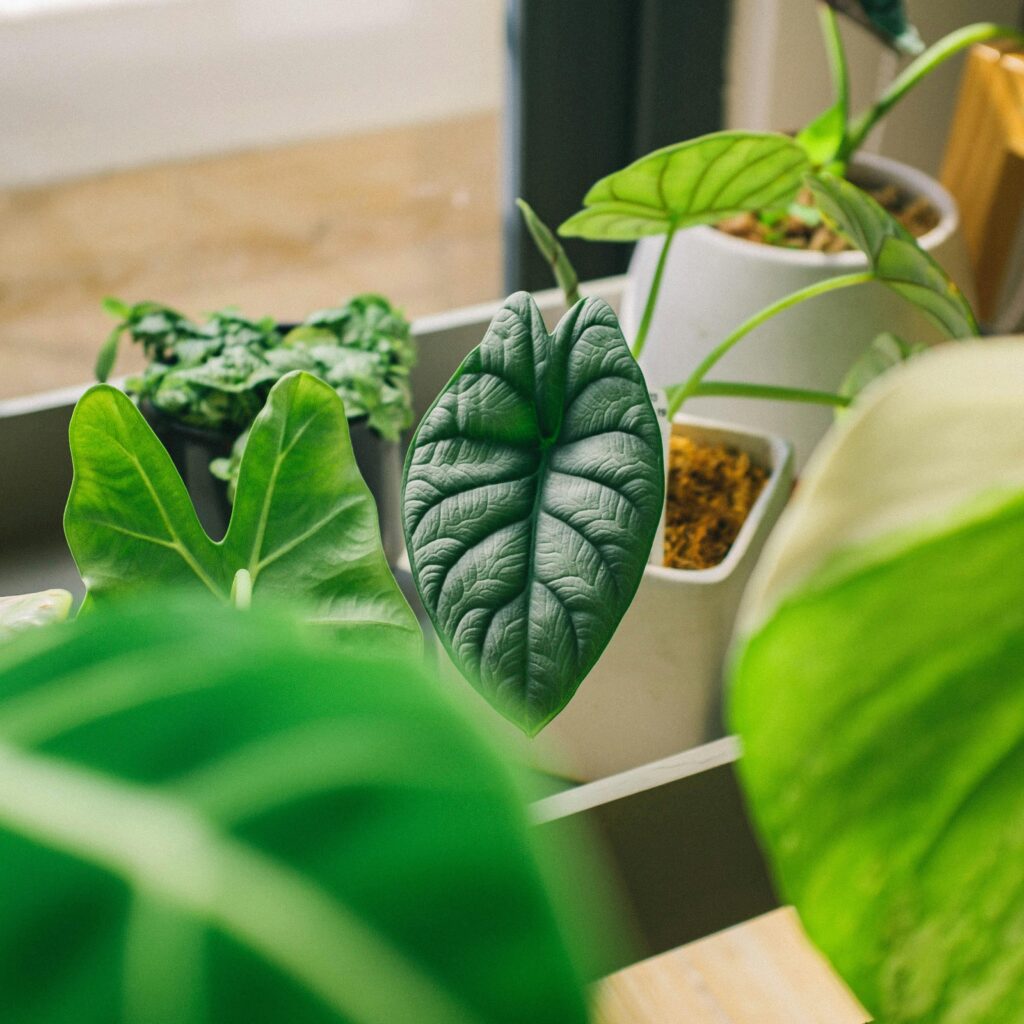
Why Alocasia Dragon Scale Is the Next Big Indoor Plant Trend (And How to Keep It Alive in Apartments)
If you’ve been scrolling Pinterest or Instagram lately, you’ve probably seen it.
Dark green leaves.
Silvery veins.
Almost reptile-like texture.
The Alocasia Dragon Scale is everywhere.
But here’s what most posts don’t tell you:
It’s not always easy to keep alive — especially in apartments.
If you’re a busy woman in your 20s or 30s juggling work, life, and small-space living, you may be wondering:
Is this plant worth the trend?
Or is it another “looks beautiful, dies fast” situation?
Let’s break it down honestly.
What Is Alocasia Dragon Scale?
Alocasia Dragon Scale (Alocasia baginda) is a tropical houseplant known for:
• Deep green leaves
• Metallic silver veins
• Thick textured foliage
• Compact size (perfect for apartments)
It’s dramatic.
It’s elegant.
It feels designer.
But it’s also more sensitive than low-maintenance plants.
Why It’s Trending in the U.S.
Women 25–35 love it because:
• It elevates small apartment decor
• Looks premium without huge size
• Works well in cozy neutral spaces
• Pairs beautifully with Scandinavian decor
It’s especially popular in:
• Studio apartments
• Small living rooms
• Bedroom styling corners
If you’re building a cozy apartment aesthetic, this plant fits beautifully.
Is Alocasia Dragon Scale Beginner-Friendly?
Short answer:
Not fully beginner-proof.
But manageable — if you understand its needs.
Let’s compare it to easier plants.
Comparison Table: Alocasia Dragon Scale vs Beginner Plants
| Plant | Care Level | Light Needs | Watering | Apartment Friendly | Avg. U.S. Price |
|---|---|---|---|---|---|
| Alocasia Dragon Scale | Moderate | Bright indirect | Weekly (consistent) | Yes (with care) | $35–$75 |
| Snake Plant | Very Easy | Low to medium | Every 2–3 weeks | Very | $15–$35 |
| ZZ Plant | Very Easy | Low light | Every 2–3 weeks | Excellent | $20–$45 |
| Pothos | Easy | Low to bright indirect | Weekly | Excellent | $10–$30 |
| Calathea | Difficult | Bright indirect | Frequent | Sensitive | $30–$60 |
Important:
Alocasia needs more attention than Snake Plant or ZZ Plant.
If you struggle with consistency, start with our low maintenance indoor plants for apartments guide.
Why Apartment Owners Struggle With This Plant
Common issues:
• Leaves turning yellow
• Drooping
• Root rot
• Brown edges
• Sudden leaf drop
Most of this happens because of:
- Overwatering
- Low humidity
- Poor lighting
- Cold drafts
Apartments in the U.S. often have:
• Dry indoor heating
• Limited natural light
• Air conditioning airflow
This plant reacts to those changes.
How to Care for Alocasia Dragon Scale in Apartments
Now let’s solve the problem step-by-step.
1. Light Requirements (Most Important)
Needs:
Bright indirect light.
Best apartment placement:
• Near east-facing window
• Near south-facing window with sheer curtain
• Within 3–5 feet of bright window
Avoid:
• Dark corners
• Direct harsh sunlight
If your apartment is low-light, read our low light indoor plants for apartments guide.
2. Watering Schedule
This is where most people fail.
Water:
When top 1–2 inches of soil are dry.
Usually:
Every 7–10 days.
Do NOT:
Water on a strict calendar.
Always check soil first.
Overwatering causes root rot quickly.
3. Humidity Needs
This plant prefers:
50–60% humidity.
Most apartments sit at:
30–40%.
Solutions:
• Small humidifier
• Pebble tray
• Grouping plants together
• Bathroom placement (if bright enough)
4. Soil Type
Use:
Well-draining potting mix.
Add:
• Perlite
• Orchid bark
Avoid heavy soil.
Alocasia Dragon Scale Care Tracker Table
Use this simple routine to stay consistent.
| Task | Frequency | Apartment Tip |
|---|---|---|
| Check soil moisture | Weekly | Use finger test |
| Water when dry | 7–10 days | Avoid soggy soil |
| Rotate plant | Monthly | Prevent leaning |
| Wipe leaves | Monthly | Keeps shine |
| Check for pests | Every 2 weeks | Look under leaves |
| Fertilize | Every 4–6 weeks (spring/summer) | Light feeding only |
If you love systems, use a plant care tracker printable.
Is It Worth the Trend?
Yes — IF:
• You enjoy plant care
• You can provide bright light
• You’re okay with moderate maintenance
No — IF:
• Your apartment is very dark
• You travel often
• You forget watering
• You want zero effort
Start with beginner plants first.
Then upgrade to Alocasia.
Styling Ideas for Small Apartments
This plant works beautifully in:
• Bedroom corner styling
• Living room side table
• Floating shelf decor
• Minimalist neutral spaces
Pairs well with:
• Light wood
• Cream walls
• Beige furniture
• Woven baskets
It enhances a cozy apartment aesthetic.
Price Guide in the U.S.
Typical pricing:
Small (4 inch): $35–$45
Medium (6 inch): $45–$75
Rare larger sizes: $90+
Available at:
• Local nurseries
• Etsy sellers
• Plant boutiques
• Occasionally Home Depot
It’s more expensive than beginner plants.
Alternatives If You’re Not Ready
If Alocasia feels intimidating, try:
• Pothos
• ZZ Plant
• Philodendron
• Chinese Evergreen
All easier for apartment life.
Read our best indoor plants for apartments guide.
FAQ Section (SEO Optimized)
Is Alocasia Dragon Scale hard to care for?
It requires moderate care, especially consistent watering and bright indirect light.
Can Alocasia Dragon Scale survive in low light?
Not well. It prefers bright indirect light and may decline in dark apartments.
Why are my Alocasia leaves turning yellow?
Usually due to overwatering or poor drainage.
Is Alocasia Dragon Scale good for apartments?
Yes, if your apartment has adequate light and moderate humidity.
Final Thoughts
Alocasia Dragon Scale is stunning.
But it’s not a “set it and forget it” plant.
If you’re building your plant collection thoughtfully and want something bold yet compact — it can absolutely thrive in your apartment.
Start slow.
Learn your space.
Check your light.
And grow with confidence.
At UrbanBloomSpace, we help women create calm, beautiful apartment spaces with realistic plant care — not perfection.