
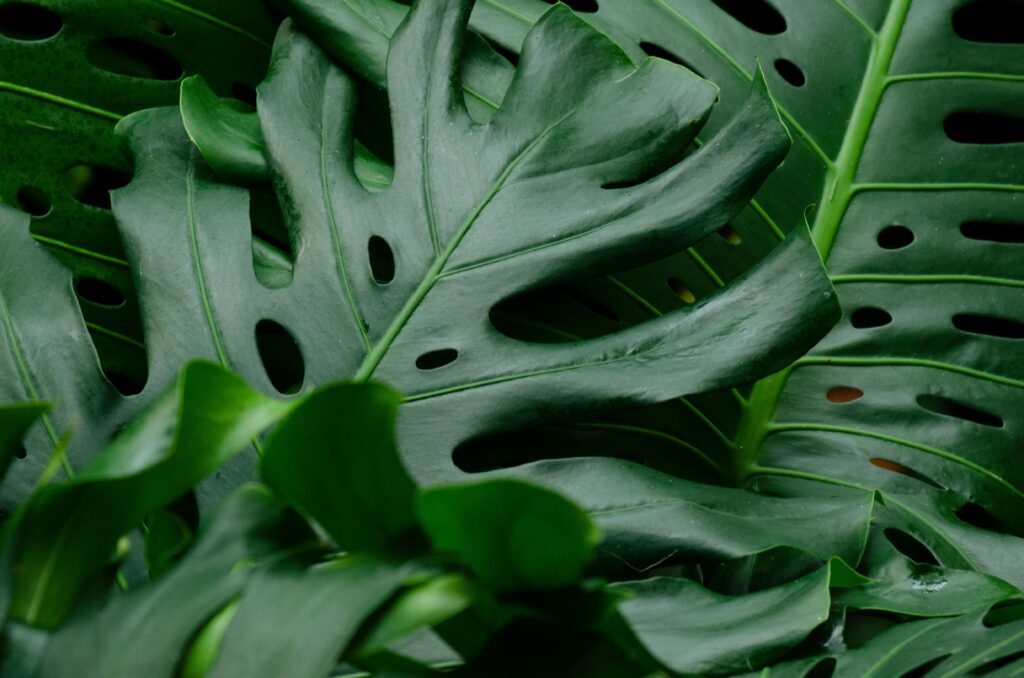
Philodendrons are among the most popular indoor plants—and for good reason. With their lush green foliage, trailing or upright growth habits, and easy-care nature, Philodendrons are perfect for apartments, condos, and urban homes. Whether placed on shelves, hanging baskets, or floor planters, these plants instantly bring warmth and greenery into indoor spaces.
One of the biggest advantages of Philodendrons is their adaptability. They tolerate a wide range of indoor conditions and are forgiving of minor care mistakes, making them ideal for beginners and busy plant owners.
In this complete Philodendron plant care guide by UrbanBloomSpace, you’ll learn everything you need to grow thriving Philodendrons indoors—from light and watering to soil, fertilizing, propagation, and common mistakes to avoid.
🌱 Understanding Philodendron Plants: What Makes Them So Popular?
Philodendrons belong to the Araceae family and are native to tropical regions of Central and South America. In nature, many Philodendrons grow as climbers or ground cover under forest canopies, which explains their love for indirect light and warm environments.
Key Characteristics of Philodendron Plants
- Grown primarily for attractive foliage
- Available in trailing and upright varieties
- Adapt well to indoor environments
- Tolerate low to medium light
- Fast growers under the right conditions
Because of these traits, Philodendrons are often recommended as one of the best indoor plants for apartments.
🌞 1. Light Requirements for Healthy Philodendron Growth
Philodendrons thrive in bright, indirect light, but they are also known for handling lower light conditions better than many houseplants.
Best Light Conditions
- Bright, filtered light near windows
- Medium light rooms with natural daylight
- Avoid direct afternoon sunlight
- Can tolerate low light (growth slows)
Too much direct sun can scorch leaves, while extremely low light may result in leggy growth.
🌿 2. Best Soil Mix for Philodendron Plants
Well-draining soil is essential for healthy Philodendron roots. These plants dislike soggy soil, which can quickly lead to root rot.
Ideal Soil Mix
- 40% cocopeat or peat moss
- 30% compost or organic potting mix
- 20% perlite or pumice
- 10% garden soil or orchid bark
This mix provides good aeration while retaining enough moisture for steady growth.
Pro Tip
Adding a small amount of neem powder or organic fungicide helps prevent fungal issues in humid indoor environments.
💧 3. Watering Philodendrons the Right Way
Overwatering is the most common mistake made with Philodendrons.
Watering Guidelines
- Water when the top 1–2 inches of soil feel dry
- Reduce watering during winter months
- Ensure pots have drainage holes
- Never allow roots to sit in water
Wilting or yellow leaves often signal watering issues rather than pests.
🌡️ 4. Temperature & Humidity Needs
Philodendrons love warm, slightly humid environments similar to their tropical origins.
Ideal Conditions
- Temperature: 65°F–85°F (18°C–29°C)
- Average household humidity is sufficient
- Higher humidity encourages larger leaves
- Protect from cold drafts and air conditioners
For dry indoor air, grouping plants together or using a humidifier can help.
🌼 5. Fertilizing for Lush, Green Leaves
Regular feeding supports faster growth and healthier foliage.
Fertilizer Tips
- Use a balanced liquid fertilizer (10-10-10)
- Feed every 4 weeks during spring and summer
- Avoid fertilizing in winter
- Do not overfeed (causes leaf burn)
Philodendrons respond best to light but consistent feeding.
🌱 6. Propagating Philodendrons (Easy & Beginner-Friendly)
Philodendrons are one of the easiest houseplants to propagate.
How to Propagate Philodendrons
- Cut a healthy stem with at least one node
- Place cutting in water or moist soil
- Keep in bright, indirect light
- Roots develop within 2–4 weeks
Propagation is best done during the growing season (spring and summer).
🍂 7. Seasonal Care & Growth Changes
Unlike Caladiums, Philodendrons do not go fully dormant but slow down in cooler months.
Seasonal Care Tips
- Reduce watering in fall and winter
- Stop fertilizing during low-growth periods
- Clean leaves regularly to remove dust
- Resume feeding in spring
Seasonal adjustments help maintain long-term plant health.
❌ Common Mistakes to Avoid with Philodendrons
- Overwatering or poor drainage
- Placing in harsh direct sunlight
- Ignoring pruning of leggy growth
- Using heavy garden soil alone
- Over-fertilizing
Avoiding these mistakes keeps Philodendrons thriving year-round.
❓ FAQs: Philodendron Plant Care
Are Philodendrons good for beginners?
Yes, they are one of the easiest indoor plants to care for.
Can Philodendrons grow in low light?
Yes, but growth may slow and leaves may become smaller.
How often should I water a Philodendron?
Water when the topsoil dries slightly—usually once a week.
Are Philodendrons safe for pets?
No, Philodendrons are toxic to cats and dogs if ingested.
Why are my Philodendron leaves turning yellow?
Yellow leaves often indicate overwatering or poor drainage.
Final Thoughts
Philodendrons are versatile, low-maintenance houseplants that fit perfectly into modern apartments and urban homes. With proper light, well-draining soil, careful watering, and occasional feeding, these plants reward you with lush, vibrant foliage year-round.
If you’re looking for a reliable indoor plant that combines beauty with ease of care, Philodendrons are an excellent choice.