
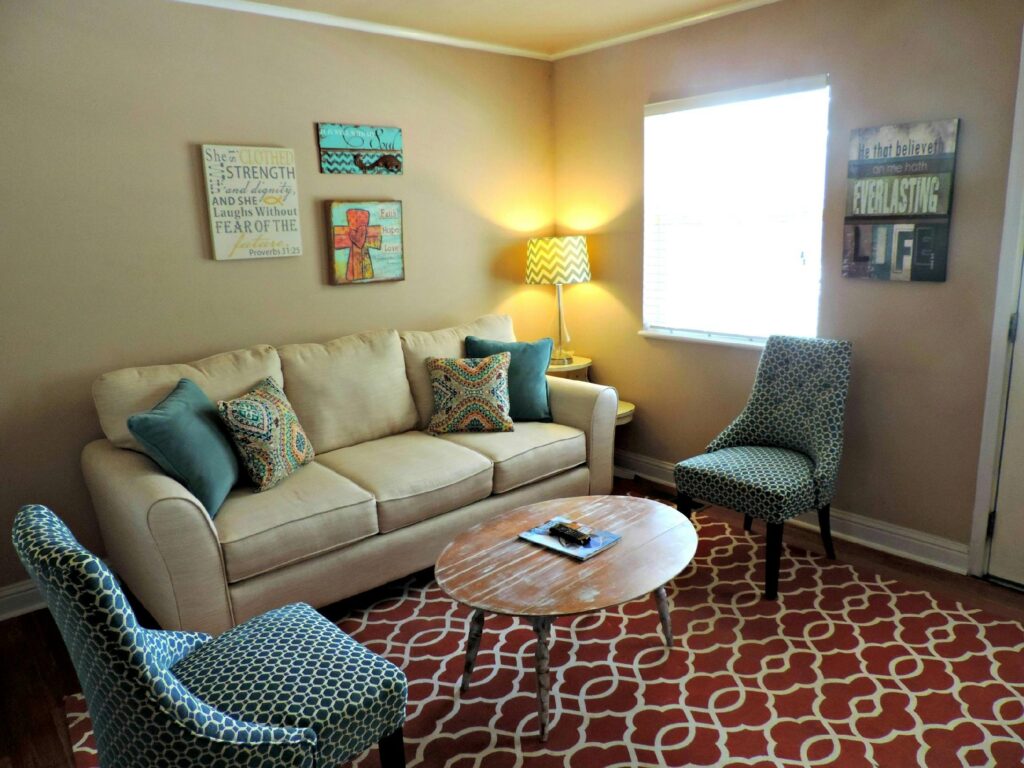
Why the Sofa Is the Heart of the Home
The sofa is more than just a piece of furniture—it’s the heart of your living room and often the most-used spot in your home. It’s where you unwind after a long day, entertain guests, binge-watch shows, work from your laptop, take afternoon naps, and create everyday memories with family.
Because the sofa plays such a central role, choosing the right one involves much more than liking the design. Size, comfort, fabric, durability, maintenance, and lifestyle compatibility all matter. A well-chosen sofa enhances both the look and functionality of your living space for years to come.
This comprehensive guide walks you through everything you need to consider before buying a sofa for your home.
1. Measure Your Living Room the Right Way
Accurate measurements are the foundation of a smart sofa purchase. A sofa that looks perfect online or in a showroom may overwhelm your space—or feel too small—once it’s placed in your living room.
What to Measure Before Buying
-
Overall room length and width
-
Doorways, hallways, and staircases
-
Clearance for walkways and foot traffic
-
Distance between seating and TV or coffee table
Pro Tip: Use painter’s tape to outline the sofa’s footprint on your floor. This simple trick helps you visualize scale, spacing, and movement before committing to a purchase.
2. Choose the Right Sofa Type for Your Lifestyle
Different households require different sofa styles. Your daily habits, family size, and room layout should guide your decision.
Popular Sofa Types
-
2-seater sofas: Ideal for apartments and small living rooms
-
Sectional sofas: Perfect for large families or open floor plans
-
L-shaped sofas: Great for maximizing corner spaces
-
Loveseats: Compact seating for cozy rooms
-
Recliner sofas: Designed for comfort and relaxation
-
Sleeper sofas: Multi-functional and perfect for overnight guests
Your lifestyle—whether you host often, have kids or pets, or work from home—should determine the type you choose.
3. Find the Right Seat Depth and Height
Seat depth and height directly impact posture and long-term comfort. A sofa that looks stylish but feels uncomfortable won’t get much use.
Ideal Seat Dimensions
-
Standard seat depth: 20–22 inches
-
Deep seating (lounging): 23–25 inches
-
Shallow seating (upright support): 18–20 inches
Seat height should allow your feet to rest flat on the floor with knees at a comfortable angle to avoid strain on your back and legs.
4. Select a Sofa Fabric That Fits Your Lifestyle
Fabric choice affects appearance, durability, and ease of maintenance. Consider how the sofa will be used daily.
Common Sofa Fabric Options
-
Leather: Luxurious, durable, and easy to clean
-
Velvet: Elegant and plush but requires gentle care
-
Linen: Breathable and ideal for warm climates
-
Polyester blends: Durable and stain-resistant
-
Microfiber: Kid- and pet-friendly, easy to maintain
For high-traffic homes, darker shades or patterned fabrics tend to hide wear and stains better over time.
5. Choose a Strong, Long-Lasting Sofa Frame
The frame determines how long your sofa will last. A solid structure ensures durability and stability.
Best Frame Materials
-
Kiln-dried hardwood
-
Engineered wood with reinforced corners
-
Hardwood blends combined with metal supports
Avoid softwoods or poorly constructed frames, as they may warp or weaken over time.
6. Pick the Right Cushion Fill for Comfort
Cushion filling defines how your sofa feels and holds its shape.
Cushion Filling Options
-
High-density foam: Firm and supportive
-
Feather or down: Luxurious but requires regular fluffing
-
Memory foam: Adapts to body shape
-
Hybrid fills: Balance softness and support
Choose based on whether you prefer structured seating or sink-in comfort.
7. Choose a Color That Complements Your Interior
Color sets the tone of your living room and influences how long you’ll love your sofa.
-
Neutral shades like gray, beige, cream, and taupe are timeless and versatile
-
Bold colors create a focal point but should complement your décor palette
-
Patterned fabrics add character while disguising wear
If you frequently update décor, neutral sofas offer greater flexibility.
8. Check Fabric Durability (Rub Count Matters)
Fabric durability is measured using the Martindale rub test, which indicates resistance to wear.
Rub Count Guide
-
15,000+ rubs: Suitable for regular home use
-
25,000+ rubs: High durability for busy households
This is especially important for families with children or pets.
Final Thoughts
The perfect sofa balances comfort, durability, beauty, and function. By considering room size, lifestyle needs, fabric quality, and construction, you can invest in a sofa that enhances your living space and stands the test of time. A thoughtful choice ensures your sofa truly becomes the heart of your home.
Disclaimer
This article is for informational purposes only. Product quality, comfort, and durability may vary by brand and manufacturer. Always test furniture in-store when possible and review warranty details before purchasing.
Frequently Asked Questions (FAQ)
Q1: How long should a good-quality sofa last?
A well-built sofa with a solid frame and quality fabric can last 7–15 years with proper care.
Q2: Is leather better than fabric for sofas?
Leather is durable and easy to clean, while fabric offers more color and texture options. The best choice depends on lifestyle and maintenance preference.
Q3: What sofa is best for small apartments?
Compact 2-seater sofas, loveseats, or L-shaped sofas designed for corners work best in small spaces.
Q4: Are sectional sofas good for families?
Yes. Sectionals offer ample seating and flexibility, making them ideal for families and entertaining.
Q5: Should I prioritize style or comfort?
Comfort should always come first. A stylish sofa won’t be used if it’s uncomfortable.