
Living in an apartment in the USA often means less outdoor space, but it doesn’t mean you have to sacrifice the joy of greenery. Bringing nature indoors can transform your apartment into a serene, vibrant, and healthier urban oasis. Beyond their aesthetic appeal, many indoor plants are fantastic air purifiers, making your living space literally fresher.
This comprehensive guide will help apartment dwellers across the USA choose the best indoor plants, focusing on low-maintenance options, air purifiers, and those that thrive in typical apartment conditions.
Why Indoor Plants are Perfect for Apartment Living
Before diving into specific plants, let’s look at the benefits that make indoor plants an essential addition to any apartment:
- Air Purification: Many plants naturally filter common indoor toxins like formaldehyde, benzene, and trichloroethylene, which can off-gas from furniture, cleaning products, and building materials.
- Stress Reduction: Studies show that interacting with indoor plants can lower stress levels, improve mood, and even boost productivity.
- Aesthetics: Plants instantly add life, color, and texture to any room, enhancing your apartment’s decor and making it feel more homely.
- Humidity Boost: Especially in dry climates or during winter heating, plants release moisture into the air, which can be beneficial for both humans and pets.
- Connection to Nature: For those living in concrete jungles, plants offer a vital connection to the natural world.
Key Considerations for Apartment Plant Selection
When choosing your apartment companions, consider these factors:
- Light Conditions: This is the most crucial factor. Observe your apartment throughout the day.
- Bright, Direct Light: South-facing windows, unobstructed.
- Bright, Indirect Light: East or west-facing windows, or a few feet away from a south-facing window.
- Low Light: North-facing windows, or rooms with minimal natural light.
- Space: How much floor or shelf space do you have? Consider hanging plants for small spaces.
- Humidity: Apartments can be dry, especially with heating/AC. Some plants prefer higher humidity.
- Pet Safety: If you have pets, always check if a plant is toxic before bringing it home.
- Your Lifestyle: How much time and effort are you willing to put into plant care? Choose low-maintenance options if you’re a beginner or have a busy schedule.
Top Indoor Plants for Apartments in the USA:
Here’s a list of fantastic choices, categorized for easy selection:
1. The Indestructible & Low-Maintenance Champions
Perfect for beginners, busy individuals, or those with a less-than-green thumb.
- Snake Plant (Sansevieria trifasciata):
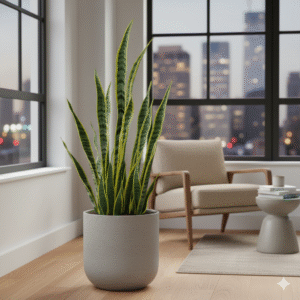
Light: Low to bright indirect. Adapts to almost any condition. Water: Infrequently. Allow soil to dry out completely between waterings. Can go weeks without water. Benefits: Excellent air purifier (removes formaldehyde, benzene, xylene, trichloroethylene), very architectural, comes in various sizes. Pet Safety: Mildly toxic if ingested.
- ZZ Plant (Zamioculcas zamiifolia):
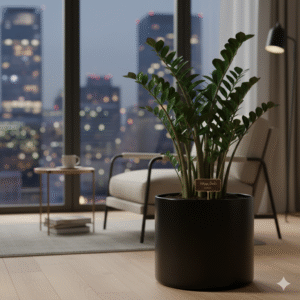
Light: Low to bright indirect. Thrives in most apartment settings. Water: Infrequently. Stores water in its thick rhizomes, making it extremely drought-tolerant. Benefits: Stunning glossy leaves, extremely forgiving, excellent air purifier. Pet Safety: Toxic if ingested.
- Pothos (Epipremnum aureum):
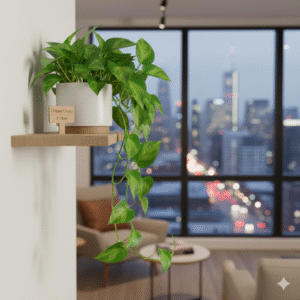
Light: Low to bright indirect. Brighter light brings out variegation. Water: When the top inch or two of soil is dry. Very communicative, will droop when thirsty. Benefits: Trailing vines look great in hanging baskets or on shelves, air purifier (formaldehyde, benzene, carbon monoxide), available in many varieties. Pet Safety: Toxic if ingested.
- Spider Plant (Chlorophytum comosum): Light: Bright indirect. Tolerates lower light but grows best with good light. Water: When the top inch of soil is dry. Benefits: Produces “spiderettes” that are easy to propagate, excellent air purifier (formaldehyde, xylene), pet-safe.
2. The Air-Purifying Powerhouses
These plants are known for their exceptional ability to clean indoor air.
- Peace Lily (Spathiphyllum):
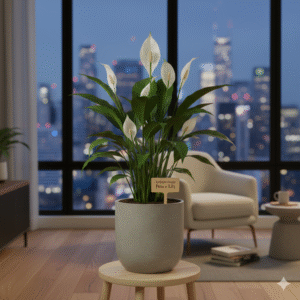
Light: Low to bright indirect. Too much direct sun can scorch leaves. Water: Keep soil consistently moist, but not soggy. Will dramatically droop when thirsty, perking up quickly after watering. Benefits: Beautiful white flowers (actually modified leaves called spathes), highly effective air purifier (removes ammonia, benzene, formaldehyde, trichloroethylene). Pet Safety: Toxic if ingested.
- Dracaena (Dracaena species): Light: Bright indirect. Some varieties tolerate lower light. Water: Allow the top inch or two of soil to dry before watering. Benefits: Wide variety of shapes, sizes, and leaf colors, excellent air purifiers (benzene, formaldehyde, trichloroethylene, xylene). Pet Safety: Toxic if ingested.
- Boston Fern (Nephrolepis exaltata ‘Bostoniensis’): Light: Bright, indirect. Prefers consistent light. Water: Keep soil consistently moist. Benefits from high humidity. Benefits: Lush, feathery foliage, top-tier air purifier (especially good at removing formaldehyde). Pet Safety: Non-toxic.
3. Best for Bright Light & Style
If your apartment boasts plenty of sunlight, these plants will thrive.
- Fiddle Leaf Fig (Ficus lyrata): Light: Bright, indirect light is crucial. Can be finicky with light changes. Water: When the top few inches of soil are dry. Benefits: Large, statement-making leaves, very trendy and stylish. Pet Safety: Toxic if ingested.
- Monstera Deliciosa: Light: Bright, indirect. Can tolerate some morning sun. Water: Allow the top few inches of soil to dry. Benefits: Iconic “swiss cheese” leaves, grows large and impressive, adds a tropical vibe. Pet Safety: Toxic if ingested.
- Bird of Paradise (Strelitzia reginae): Light: Bright direct to indirect. Loves light! Water: Keep soil consistently moist during growing season, slightly less in winter. Benefits: Large, banana-like leaves, can produce stunning bird-like flowers (though rare indoors). Pet Safety: Mildly toxic if ingested.
Essential Apartment Plant Care Tips:
- Potting & Drainage: Always use pots with drainage holes and a good quality indoor potting mix. Poor drainage leads to root rot.
- Watering: Don’t water on a schedule. Instead, feel the soil. When the top inch or two feels dry, it’s generally time to water. Adjust frequency based on plant type, light, and season.
- Humidity: If your apartment is dry, consider grouping plants, using a pebble tray with water, or a small humidifier.
- Fertilizing: Most indoor plants benefit from feeding every 2-4 weeks during their active growing season (spring and summer). Reduce or stop in fall and winter.
- Cleaning Leaves: Dust can block sunlight and hinder photosynthesis. Gently wipe leaves with a damp cloth every few weeks.
- Pest Watch: Inspect your plants regularly for common pests like spider mites, mealybugs, or aphids. Treat promptly with organic options like neem oil.
- Repotting: Plants need to be repotted every 1-2 years or when they become root-bound.
- Know Your Plant: Each plant has unique needs. Do a quick search for specific care instructions once you bring a new plant home.
By thoughtfully selecting plants that match your apartment’s conditions and your lifestyle, you can easily create a flourishing “Urban Oasis” that not only looks beautiful but also contributes to a healthier living environment. Happy planting!